
Choosing heater power
Enter the internal cabin dimensions and glass surfaces. The calculator works out the volume and recommends the power and matching EOS heater series.
Every square metre of glass or uninsulated wall needs more power, as it loses heat faster. For steam rooms, the power also depends on the wall material – see the table on the page SteamRock II.
Area of glass walls and windows, excluding the door.
An approximate estimate. Outdoor saunas and glass need more power; we confirm the exact power in the quote, based on the cabin materials.
The heat-up time is only approximate. It depends on the type and model of heater, amount of stones, insulation and cabin materials, ventilation, starting room temperature and many other factors.
How much does one sauna session cost?
The heater runs at full power while heating the cabin, then switches on periodically to maintain the temperature. Enter the heater power, duration and price per kilowatt-hour from your electricity bill.
The estimate assumes about 45 minutes of heating at full power and about half power during use. Actual consumption depends on insulation, ventilation and temperature.
What lies behind the panelling
Insulation and the vapour barrier determine how quickly the sauna heats up and how much electricity it uses.
 12345
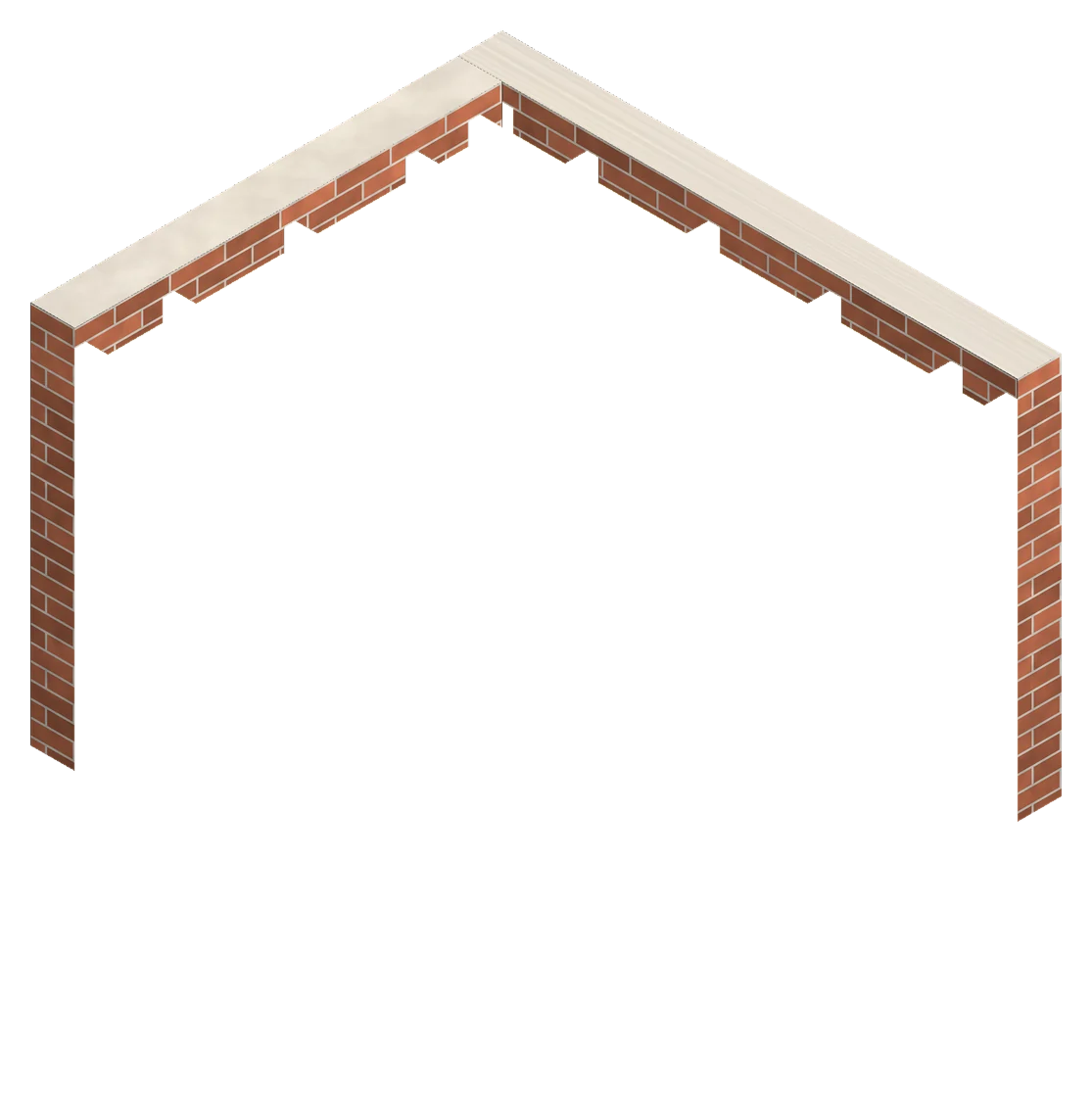

- Building wallBrick, concrete or plasterboard. The whole sauna structure is fixed to it.
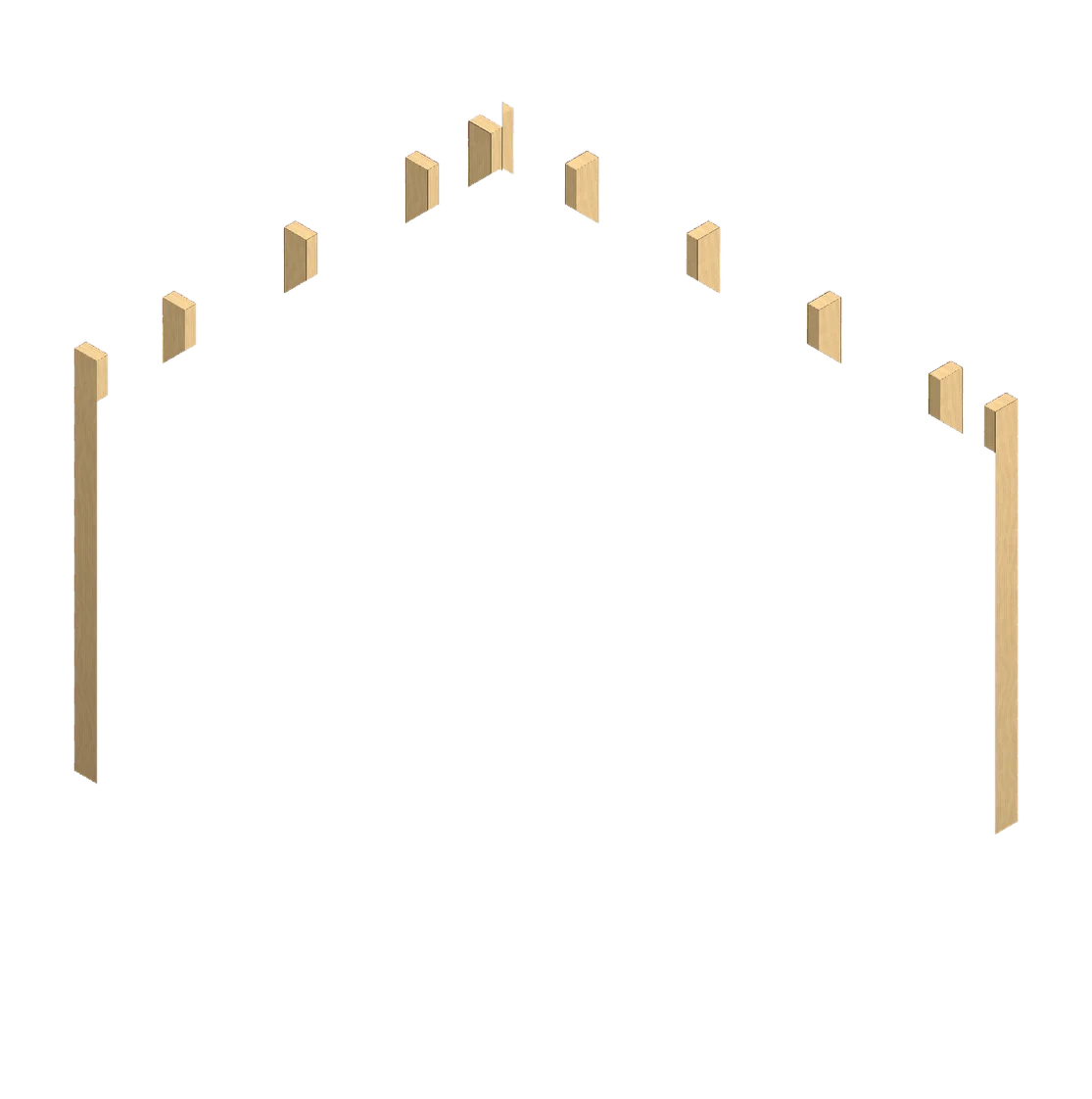
- BattensWooden battens fixed directly to the wall, the same thickness as the insulation. The panelling is attached to them at the end.
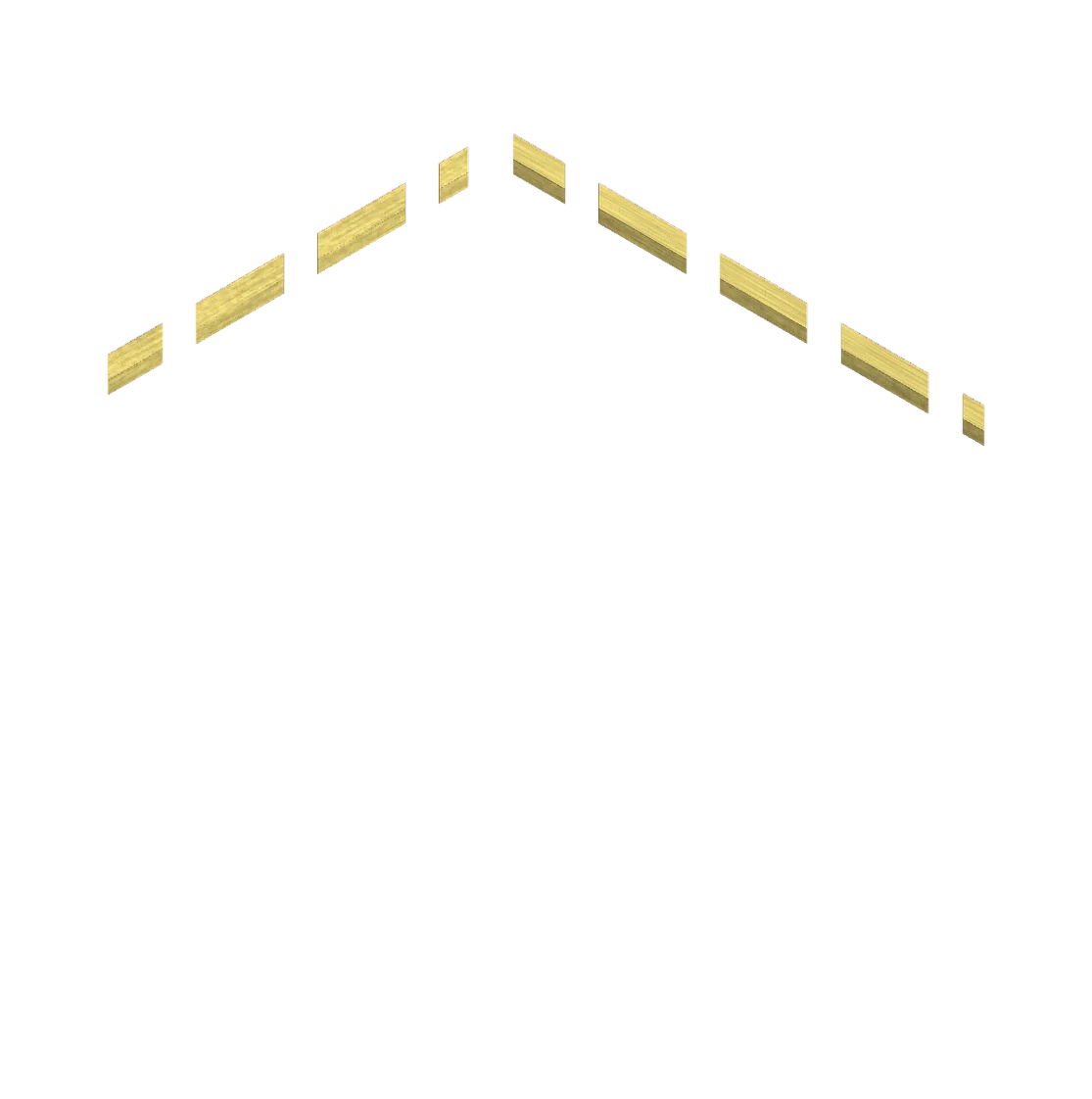
- Thermal insulationStone or mineral wool 50–100 mm, fitted between the battens; thicker on the ceiling, as heat collects at the top.
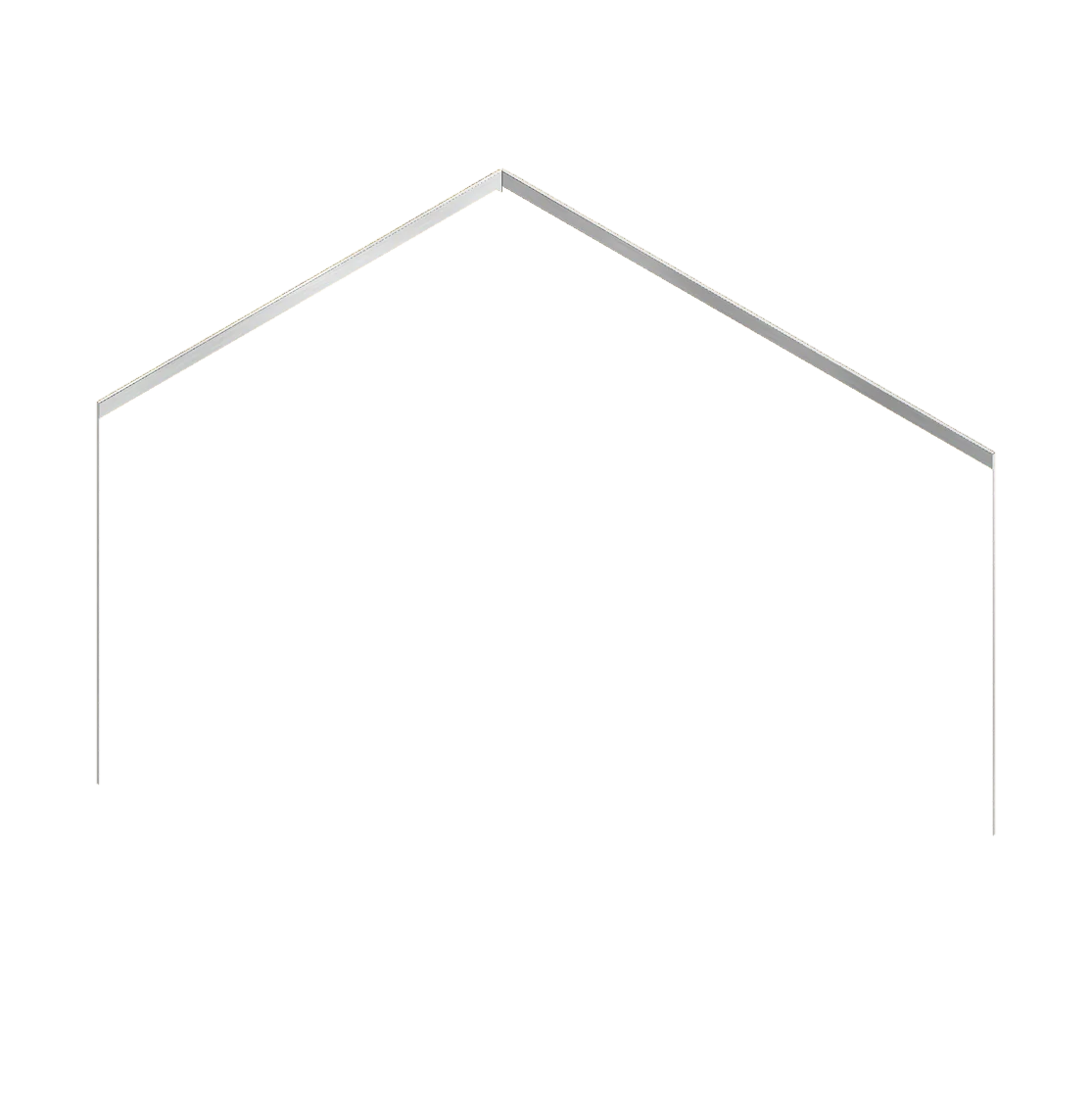
- Vapour barrierAluminium foil over the battens and insulation, shiny side facing the sauna, joints sealed with aluminium tape. It protects the insulation from moisture and reflects heat back into the cabin.
- Wall panellingFixed to the battens over the vapour barrier. Spruce, aspen, hemlock or thermo-wood, 12–15 mm; never varnished, as varnish would evaporate in the heat.